
Last Updated: November 14, 2026
Quick Summary
Consistent sizing is hard to find online because each boutique sets its own size chart, so the same label can fit very differently. Take accurate body measurements, compare them with each product's garment measurements in inches, and use reviews that name measurements to confirm the fit before you order.
- Measure your bust, waist, hips and height with a soft tape, repeating each measurement two or three times.
- Compare your body measurements with the garment measurements listed on each product page, not with your usual size.
- Check whether the item is described as true to size, runs small, or runs large before buying.
- Weigh reviews that mention reviewer measurements and garment type more heavily than vague comments like love it.
- Keep a record of every order's size and fit result to build a personal sizing guide for each boutique.
Find your fit before you orderSwagg Bootique LLC offers trendy dresses, sets, and jumpsuits with new drops weekly and fast shipping.
Shop Trendy Dresses Now
Table of Contents
- Why Sizing Changes Between Online Boutiques
- Step 1: Take Accurate Body Measurements
- Step 2: Read Size Charts Against Garment Measurements
- Step 3: Use a Find My Size Calculator or Height and Weight Guide
- Step 4: Read Reviews for Fit Feedback and Conflicting Opinions
- Step 5: Decide Between Sizes and Track Your Results
- Booking Your Next Order With Confidence at Swagg Bootique
- Frequently Asked Questions
Why Sizing Changes Between Online Boutiques
Consistent sizing is one of the biggest gaps shoppers run into when ordering online. You can compare how specific boutiques approach sizing and fit side by side.
Here's the core problem: each boutique sets its own size chart, often using its own fit models and cut patterns. Two boutiques can label the same size very differently.
Before you buy, check a few things on every product page:
- The size chart, with actual measurements in inches
- The size the model is wearing
- The fabric and stretch level
- Whether the item is described as true to size, runs small, or runs large
Watch out: Assuming your usual size will carry over between boutiques is the most common mistake. Always check the chart first.
Step 1: Take Accurate Body Measurements
Good sizing starts with good numbers about your own body. Use a soft, flexible measuring tape, not a metal one. Stand relaxed, in a fitted top or underwear, and keep the tape snug but not tight.
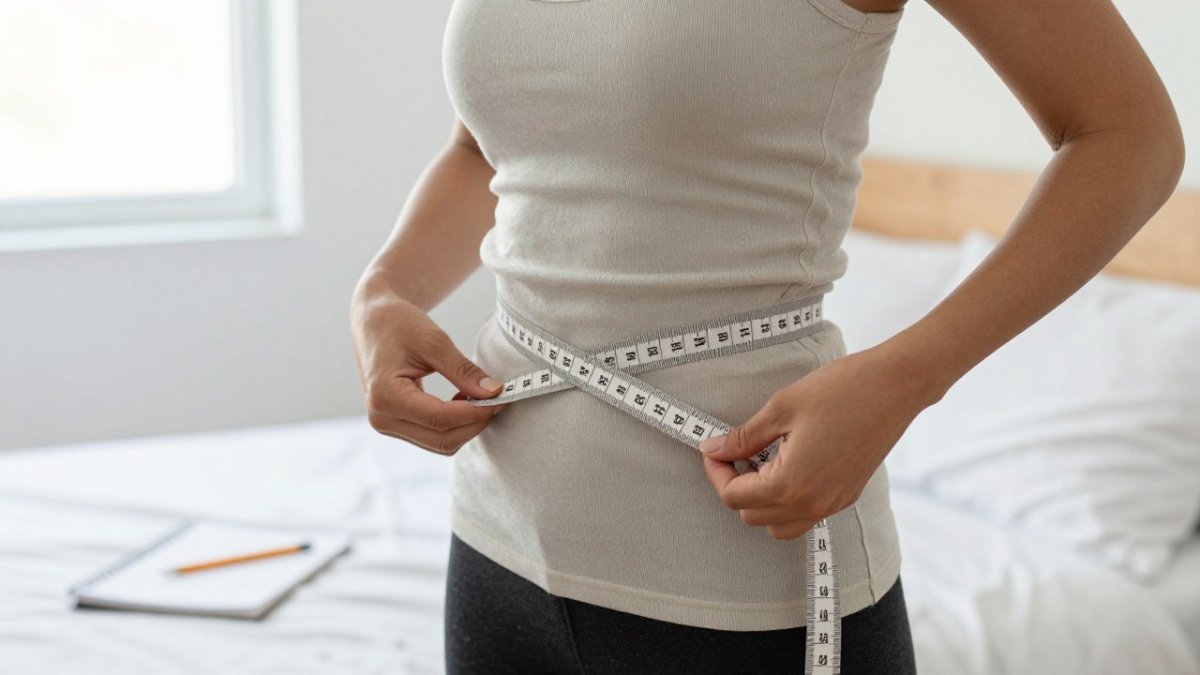
A Measurement Checklist for Bust, Waist, and Hips
- Bust: Measure around the fullest part of your chest, keeping the tape level across the back.
- Waist: Measure around your natural waistline, usually the narrowest point above your belly button.
- Hips: Measure around the fullest part of your hips and seat.
- Height: Measure without shoes, standing straight against a wall.
- Write everything down in one place so you can compare it with each size chart.
Repeat each measurement two or three times and use the average to reduce small errors.
Step 2: Read Size Charts Against Garment Measurements
Body measurements tell you about you. Garment measurements tell you about the clothing. You need both to make a good match.
Look for the garment measurements listed on the product page, such as:
- Bust or chest width laid flat, measured across the garment
- Waist width laid flat
- Hip width laid flat
- Length from the top of the garment to the hem
A flat measurement is usually half the full circumference, so check how the chart is written before comparing. Some charts list full circumference, others list flat measurements. Compare like with like.
Remember that garment measurements include ease, the extra room built into a piece. A fitted dress needs little ease, while a relaxed top needs more. The same size can fit very differently depending on the design.
Step 3: Use a Find My Size Calculator or Height and Weight Guide
Some boutiques offer a find my size calculator or a height and weight guide. These tools can give you a starting point when you are new to a brand.
They work best as a first guess, not a final answer. They cannot account for your body shape, the cut of a garment, or how a fabric stretches.
When Height and Weight Is a Starting Point, Not a Final Answer
Height and weight do not show where your body carries weight or how your proportions differ. Two people of the same height and weight can need very different sizes.
Use these tools to narrow your options, then confirm with your own measurements and the garment's chart.
Step 4: Read Reviews for Fit Feedback and Conflicting Opinions
Customer reviews are often the best clue to how a piece really fits, but only if you know how to weigh them. A single review that says "runs small" is weak evidence. A pattern across many reviews is strong evidence. The skill is telling the two apart.
Start by scanning for comments that mention:
- True to size, runs small, or runs large
- The reviewer's height, weight, or measurements, and what size they normally wear
- Whether the reviewer's body type matches yours
- The fabric's stretch and how the garment is constructed
How to Weigh Conflicting Reviews
When reviews disagree, do not average them. Instead, score each review on four factors:
- Review volume. Five reviews that say "runs small" outweigh one that says "true to size." Look for the dominant pattern, not the loudest single voice.
- Reviewer measurements. A review from someone whose bust, waist, and hip measurements are close to yours is worth more than a review from someone with a very different shape. If the reviewer lists their height and weight, compare those to yours before you trust their size call.
- Garment type. Reviews for a structured blazer and a stretchy knit dress are not interchangeable. A "runs small" comment on a woven, non-stretch top is more predictive than the same comment on a jersey tee that gives several inches.
- Fit preference. A reviewer who likes a loose fit may call a true-to-size item "runs small" because it hugged their body. Read the reviewer's stated preference before you adopt their verdict.
The most useful reviews often include the reviewer's measurements and the size they bought. Treat those as your anchor reviews and use the rest as supporting evidence.
When Reviews Conflict With the Size Chart
Sometimes the chart says one thing and the reviews say another. In that case, trust the reviews that mention measurements over the chart, because the chart reflects the boutique's fit model, not the full range of bodies.
Watch out: A review that only says "love it" or "so cute" tells you nothing about fit. Skip those and look for reviews that name a size, a measurement, or a specific body part where the garment pulled or gaped.
Check the Fabric and Construction Notes
A reviewer who mentions the material gives you more than a general comment. Look for phrases like "lots of stretch," "no give," "lined," or "runs tight in the shoulders." These details tell you how the garment will behave on your body, not just whether one person liked it. Combine that with the product page's fabric description so you are not relying on a single shopper's memory.
Step 5: Decide Between Sizes and Track Your Results
When your measurements fall between two sizes, the decision should follow the garment, not a coin flip. Fitted styles often do better in the smaller size if it still fits your bust and hips, while relaxed styles can work in the larger one. But that rule only holds when you know how the garment is cut and how much ease it has.
A Repeatable Worksheet for Every Order
Keep a single record of every order so you stop guessing. A simple spreadsheet or notes app works. Use these columns:
| Date | Boutique | Item | Size Ordered | Bust | Waist | Hip | Fit Result | Would Reorder? |
|---|---|---|---|---|---|---|---|---|
| 11/14 | Boutique A | Wrap dress | M | 36 | 28 | 38 | Tight in bust | Only if size up |
| 11/14 | Boutique B | Lounge set | S | 36 | 28 | 38 | Runs large | Yes, size down |
Record your body measurements once, then update them every few months. For each order, note the size you chose and how it actually fit. Over time, the worksheet shows which boutiques deliver consistent sizing for your measurements and which run small or large. That pattern is the fastest way to build consistent sizing for your own shopping.
How to Handle Borderline Measurements
If your bust is 36.5 inches and the chart lists 36 for a medium and 38 for a large, you are between sizes. Do three things before you choose:
- Measure again. Repeat the measurement two or three times and use the average. A half-inch error is common when the tape slips.
- Check the garment's ease. A fitted dress with no stretch needs the larger size if your bust is over the chart's medium. A relaxed top with stretch can take the smaller size.
- Read the reviews for that specific size. If reviewers who bought the medium say it pulled across the chest, size up. If they say it was roomy, stay with the medium.
Your worksheet will tell you whether sizing up for structured garments and staying true to size for knits holds for each boutique.
When to Contact the Seller
If the chart is unclear, the reviews conflict, and you are still between sizes, contact the seller before you order. Ask for the garment's flat measurements in your size and whether the fabric has stretch. A short message saves a return.
Watch out: Do not wear an item before you decide to return it. Return policies vary by boutique, so check the policy before you try anything on.
Review Your Worksheet Every Few Months
Every three or four orders, look back at your worksheet. Which boutiques matched your measurements? Which ones ran small or large? Note the pattern next to each boutique name. After a few months, you will have a personal sizing guide that is more reliable than any single size chart.
Booking Your Next Order With Confidence at Swagg Bootique
When you are ready to shop, Swagg Bootique LLC carries trendy dresses, sets, and jumpsuits built for nights out, birthdays, and special events. You can also explore date night outfits for evenings out. Browse the vacation outfits collection to find pieces for your next trip.
Start with the product pages. The Just The Beginning Tank Wrap Tie Dress ($15.00) is described as a true to size fit with very good stretch and mesh fabric.
Before you order, measure yourself using the steps above, check each product's size chart, and read the fit notes on the page. For more practical advice, see these tips for buying dresses online safely. Once your order is placed, you can check its status on the order tracking page.
Join our VIP list for early access to new drops and members-only offers, including 10% off your first order. GET MY 10% OFF
Frequently Asked Questions
How do I choose size when shopping online?
Start with your body measurements, not the size you wear elsewhere. Compare your bust, waist, and hip numbers with the boutique's size chart, and check whether the chart lists body or garment measurements. Then read the product page for fabric and stretch notes. Mesh and stretch pieces like the Just The Beginning Tank Wrap Tie Dress are listed as true to size with very good stretch, which gives more room for error than non-stretch fabrics such as the acid wash denim shorts. When your numbers fall between two sizes, look at the fabric and the fit description before deciding.
How can I measure my body for clothing sizes?
Use a flexible measuring tape and keep it snug but not tight. Measure the fullest part of your bust, the narrowest part of your waist, and the fullest part of your hips, keeping the tape level all the way around. Stand naturally in fitted underwear or a thin layer, and take each measurement two or three times to confirm it. Write the numbers down in one place so you can compare them with every size chart you open.
Why do clothing sizes vary between online boutiques?
Each brand sets its own fit standards, so a size 8 at one boutique can measure differently from a size 8 at another. Some brands cut for a looser fit and others for a closer one. Because of this, check each boutique's sizing guide instead of relying on the number you wear elsewhere. Reading the garment measurements listed on the product page gives you a more reliable comparison than the size label alone.
What should I do if I am between sizes?
Choose based on where your body measurement falls most often and on the garment's fit. For stretch fabrics such as mesh with very good stretch, sizing down can still be comfortable, while non-stretch pieces usually need the larger size for room. For relaxed or oversized styles, the larger size is often the safer pick. If you are still unsure, look for reviews that mention the fit of a garment similar to the one you want, and keep your returns or exchange policy in mind before you order.

